
Scotland’s Housing Crisis Predates Refugees and Immigrants - History proves it
27 August 2026
Challenging misinformation is essential in an increasingly racialised climate where facts increasingly do not matter. Refugees did not create Scotland’s shortage of social housing. Just like non refugees, they entered a system already short of homes.
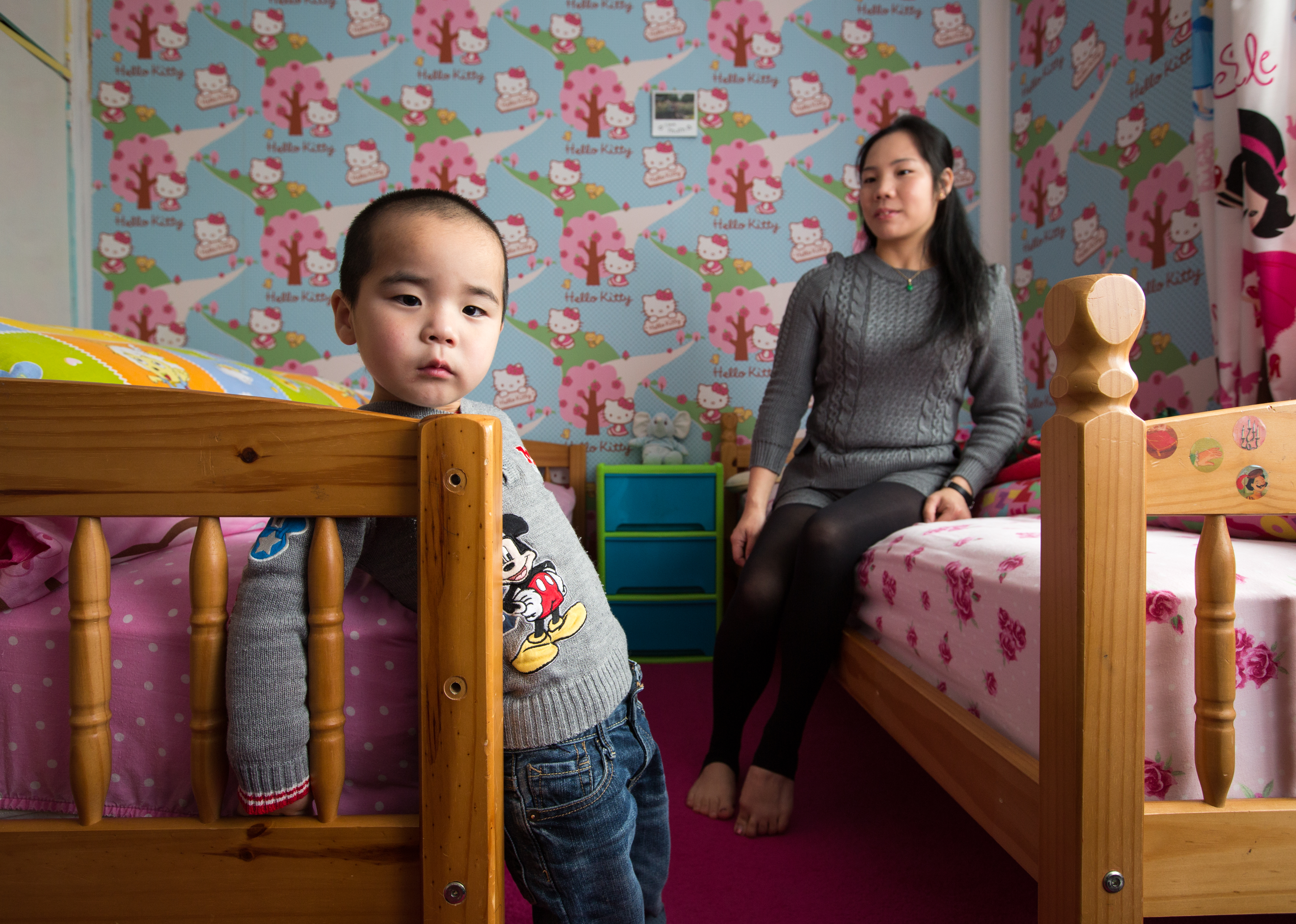
Refugees are overrepresented among people requiring homelessness assistance and temporary accommodation. This is then used to suggest that they are taking social housing from other people. These are not the same thing. Being homeless or living in temporary accommodation does not mean that somebody has been given a permanent social home.
There is also an important distinction between an asylum seeker and a refugee. People seeking asylum are generally not allowed to work. They can be required to live in accommodation provided through Home Office contracts with private companies such as Mears. They can be moved between properties while their claim is being considered. When somebody is granted refugee status, they gain the right to work but must also leave asylum accommodation. If they cannot find somewhere to live, they can enter the homelessness system.
This is one reason newly recognised refugees appear in homelessness and temporary accommodation figures.
Refugees therefore do add pressure to homelessness services and temporary accommodation. But so do non-refugees. People become homeless for many reasons, including eviction, domestic abuse, relationship breakdown, poverty and unsuitable housing. The fact that refugees are one group requiring housing does not mean that they caused the shortage of housing.
Blaming a racialised or migrant population for this political failure does not produce a single additional home.
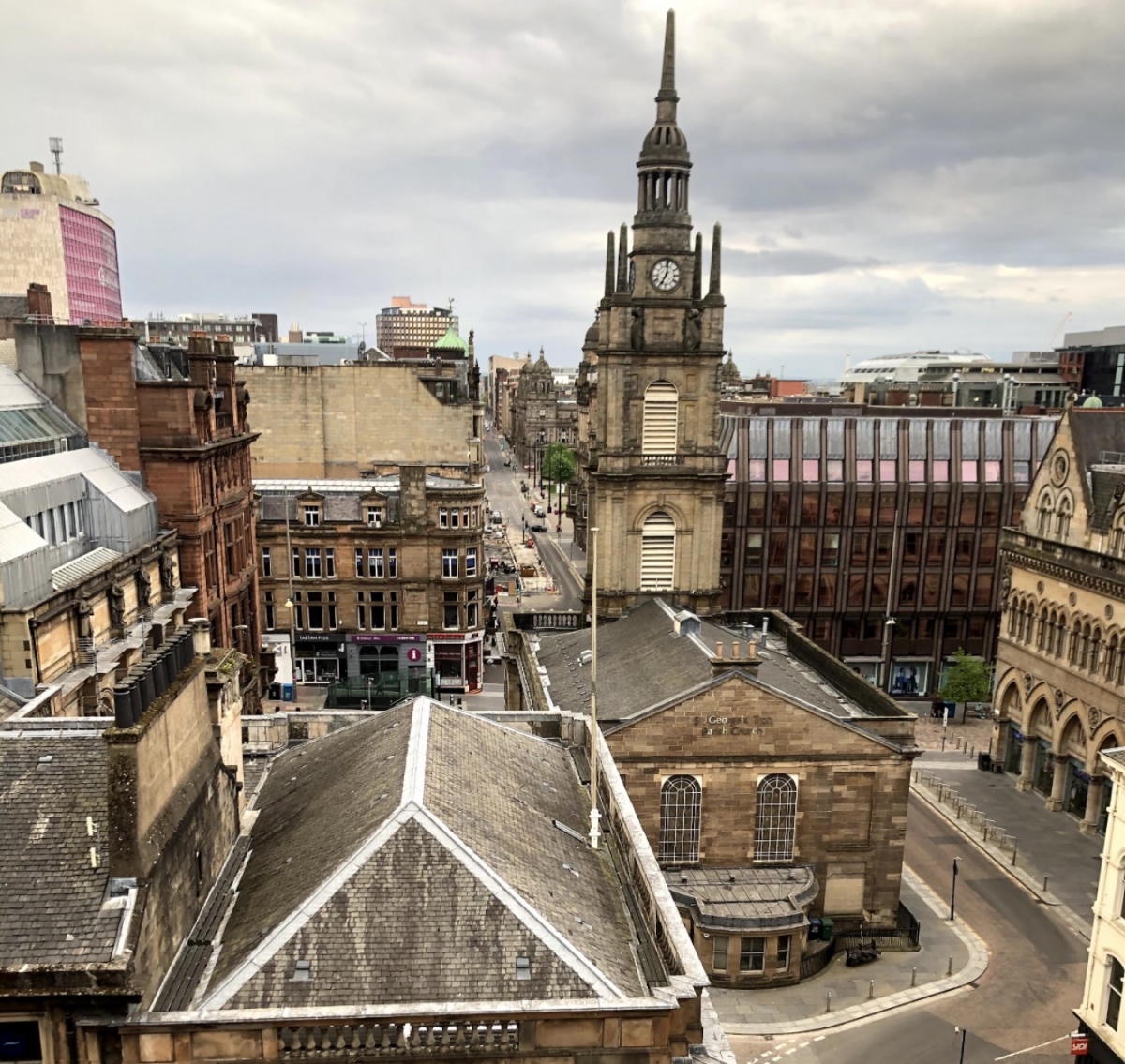
Scotland’s shortage of social housing predates the current refugee population. Glasgow has had serious housing shortages for more than a century.
Hansard records this history.
In 1942 Parliament was told that Glasgow’s housing waiting list numbered 46,000. By 1950 it exceeded 94,000. In 1951 Parliament was told that 100,000 people were waiting for Glasgow Corporation houses. In 1957 the Commons heard that, of 100,000 families on Glasgow’s waiting list, 43,000 were married couples, many with young children, living in rooms or with relatives. By 1959 Parliament was being told that the waiting list had reached 120,000.
Glasgow was also building large numbers of council houses.
By 1950 Glasgow had built almost 70,000 municipal houses. By 1952 Parliament was told that around 75,000 houses had been built in Glasgow since 1919. In 1963 Parliament was told: “Although since 1919 Glasgow Corporation has built no fewer than 121,000 houses, there still remain 78,000 applications on the housing waiting list.”
Glasgow therefore had a major housing shortage despite building 121,000 homes. This was decades before the current refugee population.
Parliament was also discussing the relationship between immigration and housing more than sixty years ago.
On 17 February 1961, Labour MP Eric Fletcher acknowledged in the House of Commons that “the housing difficulties of Londoners are accentuated by immigration, including that from the West Indies as well as from Ireland and elsewhere”.
He described immigration as “a facet of the housing problem”.
Fletcher also referred to the contribution migrant workers were making to Britain. He said: “we should surely welcome them and the skilled and unskilled labour which they contribute. Without it certain industries, notably the transport undertakings, could be in serious difficulties.”
His conclusion was: “Those conditions must cause distress, but the remedy is not to control immigration but to cure the housing shortage.”
He also argued for “a much greater intensity of effort in the production of council houses”.
On 23 March 1965, George Thomson, Labour MP for Dundee East and a Minister in the Labour Government, addressed the same issue.
He said: “The presence of immigrants has aggravated the housing problem, let us face it, by increasing the relative shortage of houses and by worsening housing conditions where they were already bad. But they have not caused the problem. It existed before they came.”
He then stated what he believed the solution was: “The problem can be solved only by the provision of more low-rented houses.”
In the same debate, Conservative MP Bernard Braine called for “a major housing drive in the areas affected, not merely to help the immigrants but to help our own people who were enduring bad housing before the immigrants arrived”.
Braine also said: “We dare not and must not tolerate for one moment the idea that immigrants who have made their homes here for themselves and their children are second-class citizens whose labour is useful for the time being but whose presence is unwelcome.”
Also on 23 March 1965, Labour MP Ivor Richard cited the Milner Holland Report on housing in London.
The report stated: “It cannot be said that the immigrants have caused the housing problem.”
It also stated: “If they did not come, either their places would be taken by migrants from other parts of the country, or a large number of essential jobs would remain unfilled.”
Its conclusion was: “The plight of the immigrant is the outcome, and too often an extreme example, of London’s housing difficulties; it is not their cause.”
This distinction is important. Immigration can increase demand for housing without causing the underlying shortage.
There is also the question of why many Commonwealth migrants came to Britain.
On 23 July 1985, Conservative MP Edwina Currie told the House of Commons: “We invited people to come here in the 1950s.”
She explained: “advertisements were still appearing in the West Indian magazines and newspapers inviting people to come and work in our hospitals and in our transport departments and so on, and they came.”
She added: “Their contribution to this nation since they arrived at our invitation has been incalculable.”
When challenged about whether Britain had actually invited these workers, Currie said she had seen advertisements distributed across the Commonwealth “inviting people to come here and work”.
She specifically referred to London Transport advertising jobs and saying that accommodation would be found.
Currie concluded: “If that is not encouragement, I do not know what is.”
The same distinction needs to be made today.
Additional people create additional housing demand. Refugees require homes. Migrants require homes. Non-migrants require homes. People leaving relationships require homes. People being evicted require homes. Young adults forming new households require homes. People escaping domestic abuse require homes.
Demand is not the same as causation.
Refugees can add pressure to temporary accommodation without having caused Scotland’s shortage of social housing.
Their presence in temporary accommodation also does not demonstrate that they have been given permanent social housing. In many cases it demonstrates the opposite. They remain in temporary accommodation because there is not a suitable permanent home available.
This is also why the distinction between affordable housing and social housing matters.
Building housing classified as affordable does not necessarily provide a home that a homeless household can access or afford. Many households experiencing homelessness require social rented housing with affordable rents and secure tenancy rights.
This is close to the solution identified in Parliament in 1965: “the provision of more low-rented houses”.
The question should therefore be why Scotland does not have enough suitable social housing for the people who need it.
Instead, refugees are increasingly blamed for being among those who need it.
And so we come full circle. More than sixty years ago Parliament accepted that immigration could add pressure to housing while making clear that immigrants had not created the underlying shortage. “They have not caused the problem. It existed before they came.” Parliament also recognised that migrant workers were filling essential jobs, and later recorded that Britain had actively encouraged many of them to come. The housing solution identified in 1965 was “the provision of more low-rented houses”. More than sixty years later, people requiring housing are again being blamed for a shortage that predates their arrival. The shortage of social housing remains the problem. Blaming refugees does not create a single additional social home.